First one freeLive webinar series
Four live webinars for mothers of adult children
Join Dr. Judith Smith, author of Difficult, for conversations about the caregiving no one prepares mothers for. The first webinar is free.
Have a question for the free webinar? Send it in advance.
What we’ll talk about
Caregiving looks different when the person is your adult child
Dr. Smith will draw on her research with mothers to name the parts of this role that rarely get talked about.
No end date
Mothering doesn’t stop when your child turns 18, and it rarely comes with recognition, support, or a plan.
Guilt and blame
Many mothers ask what they did wrong. Shame and blame add a weight that other caregivers often don’t carry.
Torn in two
Protecting your child without sacrificing yourself is one of the hardest balancing acts mothers describe.
Based on Dr. Smith’s interviews with 35 mothers for her book, Difficult.
You’ll leave with:
- A clearer picture of why caregiving for an adult child feels different from other caregiving
- Words for the guilt, blame, and divided loyalties many mothers describe
- Your own question considered in the conversation. Send it in ahead of time.
Your questions
Send your question in advance
Tell us what you most want to understand. Email your question to Judy, and we’ll bring as many as time allows to the conversation.
Not sure what to ask? These are questions mothers often raise:
- “How do I protect my child without hurting myself?”
- “How do I handle the disappointment that I feel?”
- “How do I forgive myself for the mistakes that I made?”
- “How can I enjoy my later years and take care of my adult child?”
Or write to judith@difficultmothering.com
Keep going
Three more live webinars this fall
After the free session on November 5, join Dr. Smith for three deeper conversations. $25 each, or all three for $50 if you register by Monday, November 16.
Signed up and paid for a webinar but missed it? Let us know and we’ll send you the link to the recording.
Guilt, Shame, and Mother-Blame: Feeling Like a Good Enough Mother
How many times a day do you think, “If only I had…”? Nearly every mother Dr. Smith interviewed believed she was the cause of her child’s problems. Mothers have been blamed for their children’s troubles for generations, by professionals, by the people around them, and sometimes by their own adult children, and many have taken that blame in. The ideal of the “good mother,” which scholars call the motherhood myth or total motherhood, sets a standard no one can meet. In this session, Dr. Smith draws on her research and the mothers’ stories in Difficult to look at where guilt, shame, and mother-blame come from, why they keep mothers silent and stuck, and what helps you see your own parenting more fairly.
- Why the ideal of the perfect mother is a myth, and what “good enough” can mean instead
- A clearer sense of where mother-blame comes from, and why it is not a verdict on you
- A fairer way to look at your own parenting, such as imagining what you would say to another mother in your position
- Why talking with others, in a group or with a counselor, can ease shame and open the road to self-forgiveness
Chronic Sorrow: Grieving the Future You Imagined
You can love your adult child fiercely and still grieve what might have been. Psychologists call this chronic sorrow: lingering sadness for lost hopes, dreams, and expectations. It comes and goes, and it can be set off by a wedding, a grandchild’s birth, or a neighbor’s casual question. Dr. Smith draws on her research and the mothers’ stories in Difficult to explain why this grief is different from mourning a death, and why feeling it is not a sign that something is wrong with you.
- A name for what you’re feeling, and why it is a normal response
- A clearer picture of ambiguous loss, when your child is present but not themselves, or absent but always on your mind
- Ways to be gentle with yourself when something catches you off guard
Getting Help: Self-Care, Social Support, and Staying Safe
Many mothers put their own needs last, and the holidays can make that harder. This is not an all-or-nothing choice: you can stay committed to your adult child and commit to yourself too. In this final session, Dr. Smith draws on her research to cover three kinds of help: self-care that is realistic when you are stretched thin, social support so you are not carrying this alone, and staying safe if a situation becomes frightening. With Christmas and the other holidays just weeks away, we will also touch on getting through the season: setting limits on gatherings, deciding what to say when people ask about your child, and saving some energy for yourself.
- Small, realistic ways to care for your health and your time without giving up your commitment to your child
- Ideas for finding support beyond close family and friends, from support groups to NAMI Family-to-Family and Al-Anon
- Practical steps for staying safe, including setting small limits and knowing who to call and what to say
- A few ideas for getting through the holidays, such as setting limits on gatherings and deciding what to say when people ask about your child
All three for $50
Register for the whole series and save $25. Available through Monday, November 16, before the first paid webinar.
Your host
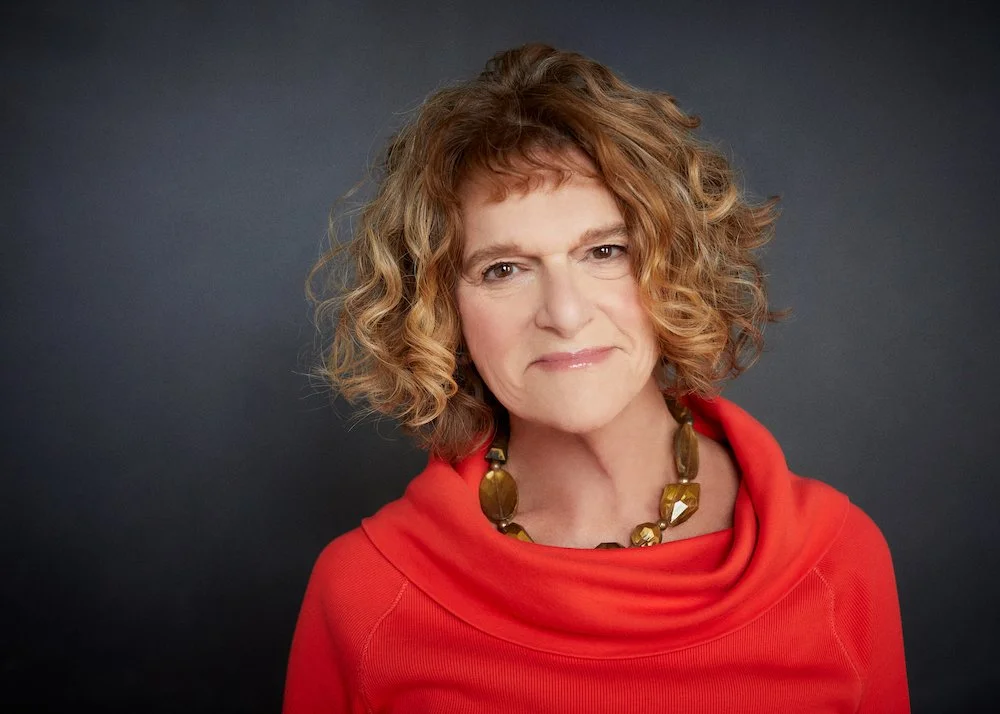
Dr. Judith R. Smith, PhD, LCSW
Dr. Smith is Associate Professor Emerita at Fordham University’s Graduate School of Social Service and the author of Difficult: Mothering Challenging Adult Children Through Conflict and Change (Rowman & Littlefield, 2022). Her book draws on interviews with 35 mothers.
For the past three years she has led support groups for mothers parenting an adult child with serious mental illness, substance use disorder, or chronic unemployment.
Ready for ongoing support?
Join a small, confidential group
Dr. Smith leads 10-week virtual groups. Mothers’ Groups begin January 12 and February 1. A Fathers’ Group, co-led with Jeffrey Hoffeld, LP, begins January 14.
Good to know
Questions about the webinars
Who are these webinars for?
Mothers parenting an adult child with serious mental illness, substance use disorder, or chronic unemployment.
How do I send a question for the free webinar?
Email it to Judy at judith@difficultmothering.com. You can also jump up to the question section for ideas.
Do I have to register for all four?
No. The November 5 webinar is free. You can register for each of the three paid webinars separately at $25 each, or for all three together at $50. The $50 bundle is available through Monday, November 16. After that, you can still register for each remaining webinar at $25.
What if I paid for a webinar and missed it?
Let us know at judith@difficultmothering.com and we’ll send you the link to the recording. This applies to the webinars you signed up and paid for.
Is a webinar the same as a support group?
No. The webinars are open conversations with Dr. Smith. Support groups are small, confidential, 10-week groups that begin in January.